 Virginia Lawns Are at High Risk for Lawn Fungus Right Now
If you live in Virginia or the surrounding area, your lawn is currently entering one of the highest-risk periods we have seen in quite some time for lawn fungus.
Over the last several months, our region has experienced severe drought conditions, with many lawns becoming stressed, weakened, and dry. Then suddenly, we received heavy rainfall all at once followed by warm temperatures and humidity.
Unfortunately, this is the exact type of weather pattern we worry about every year with Virginia fescue lawns.
Want to check current drought conditions in your area? Visit the U.S. Drought Monitor for Virginia here: https://droughtmonitor.unl.edu/CurrentMap/StateDroughtMonitor.aspx?VA
At PPLM, we have already started seeing signs of stress and early fungus activity on local lawns throughout the area.
When drought-stressed grass suddenly receives large amounts of moisture combined with humidity and warm nights, it creates ideal conditions for lawn fungus to spread quickly.
If your lawn has started looking stressed recently, you are definitely not alone.
Quick Takeaways
- Virginia lawns are currently at high risk for fungus due to drought stress followed by sudden rainfall and humidity.
- Stressed lawns are much more vulnerable to diseases like Brown Patch and Dollar Spot.
- Water only in the early morning to reduce fungal risk.
- Avoid mowing wet grass and keep mower blades sharp.
- Preventative fungicide treatments are easier and more effective than curative treatments.
- If you are already seeing brown patches or thinning turf, now is the time to act.
What Is Lawn Fungus?
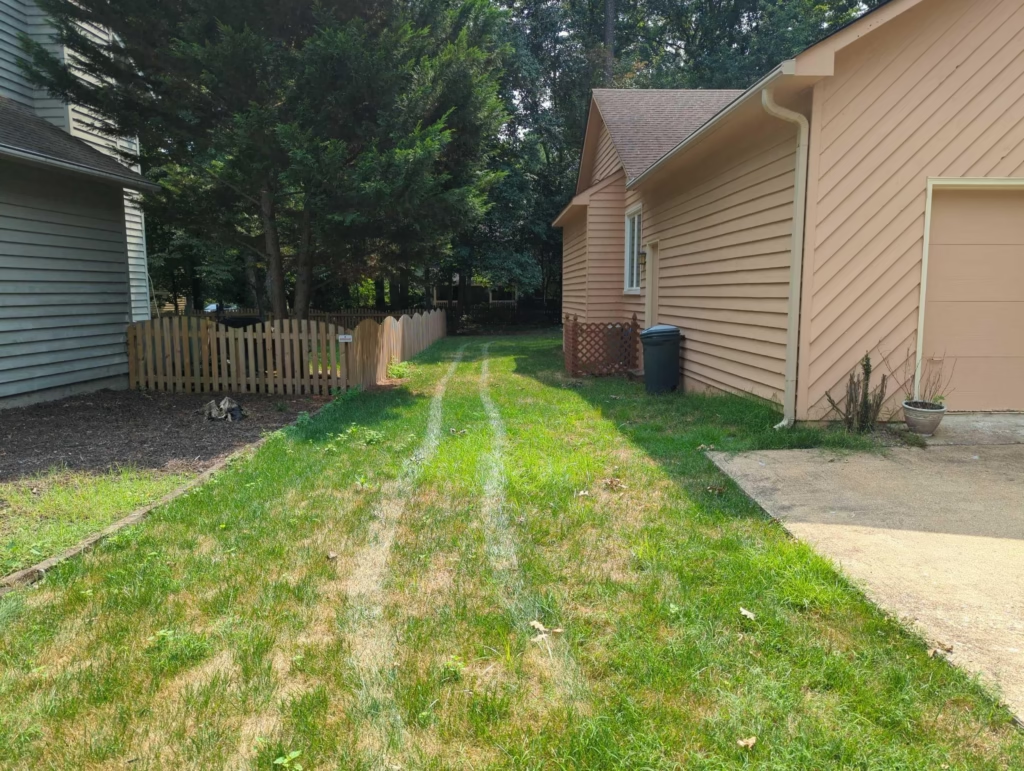
Lawn fungus is caused by microscopic fungal spores that naturally exist in nearly every lawn. In healthy conditions, these spores usually remain harmless and dormant. The problem begins when weather conditions shift in their favor.
Warm temperatures, humidity, excess moisture, and stressed grass create the perfect environment for fungal diseases to spread.
Think of it this way: the fungus is always there waiting. Drought weakens the lawn, and sudden rain combined with humidity gives the fungus everything it needs to activate.
At PPLM, we always say that healthy soil and strong roots are the first line of defense against lawn disease.
 Wait — Are Mushrooms the Problem?
No! Mushrooms are NOT the type of fungus we are talking about in this article.
If you are seeing mushrooms popping up in your lawn, that is actually a good sign. Mushrooms mean there is organic matter decomposing beneath your soil — things like old roots, buried wood, or natural debris breaking down underground.
This decomposition is adding organic matter directly into your soil naturally, without any help from you. That is a sign of a healthy, living soil ecosystem working exactly the way it should.
Mushrooms = healthy soil activity. Nothing to worry about.
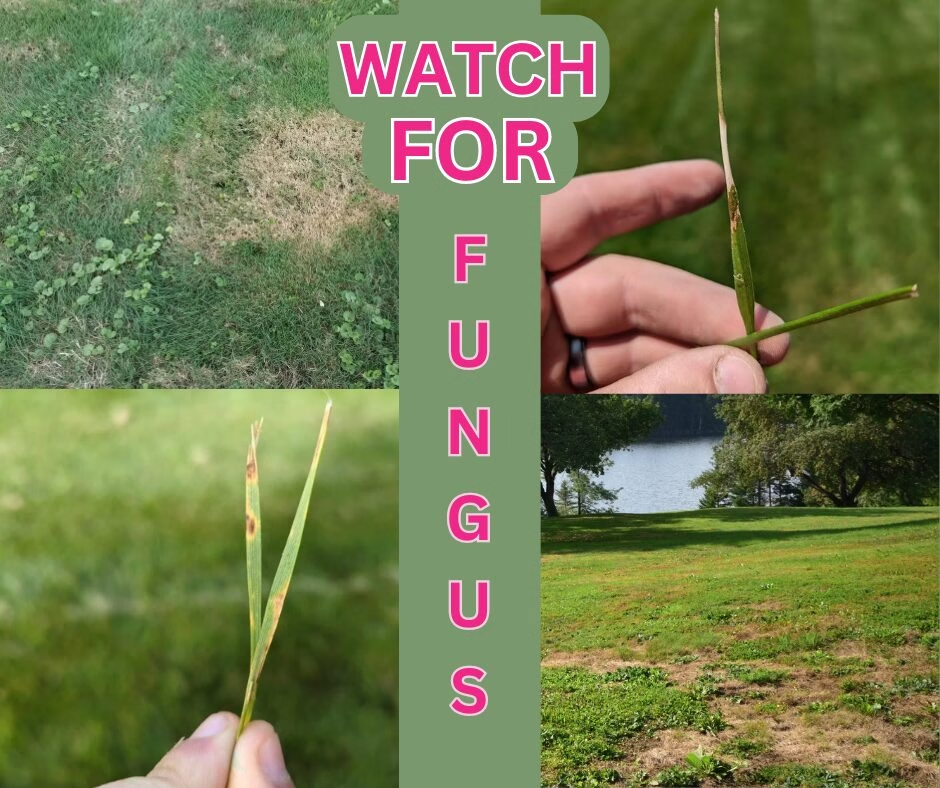
The lawn fungus we are talking about in this article is very different. It is a disease that attacks your grass blades and root system, causing brown patches, thinning turf, and widespread lawn damage — and it requires treatment to stop.
So if you see mushrooms, enjoy them. If you see brown circular patches, thinning grass, or rust-colored powder on your shoes — that is when it is time to call PPLM.
Common Lawn Diseases We See Most Often
While there are many different turf diseases, these are the most common lawn fungus issues we regularly see in Virginia fescue lawns.
Brown Patch
One of the most common summer lawn diseases in fescue lawns. Brown Patch creates circular brown areas that can spread quickly during hot and humid conditions.
Dollar Spot
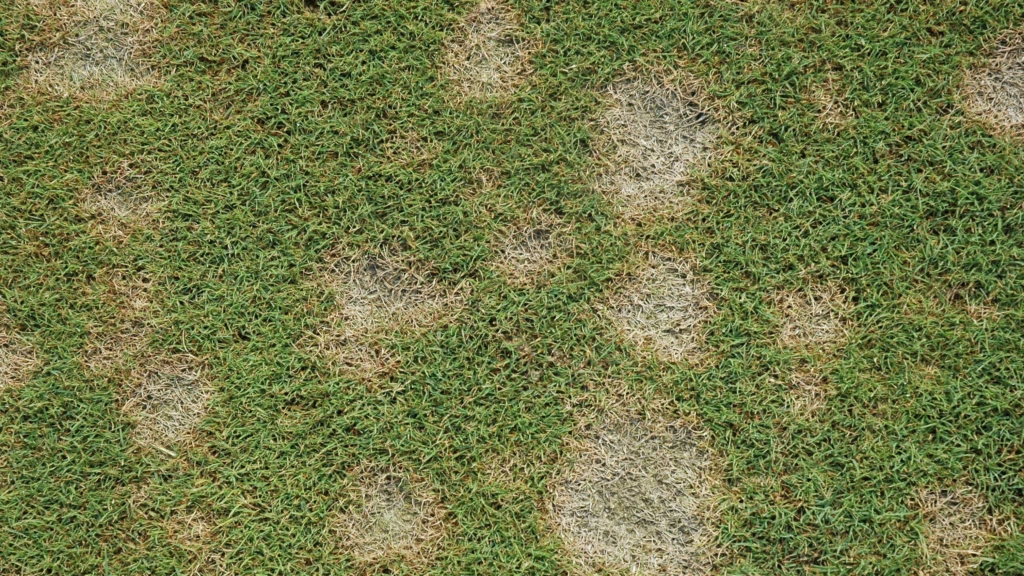
Small tan or brown spots that often appear in drought-stressed lawns or lawns low in nutrients.
Summer Patch
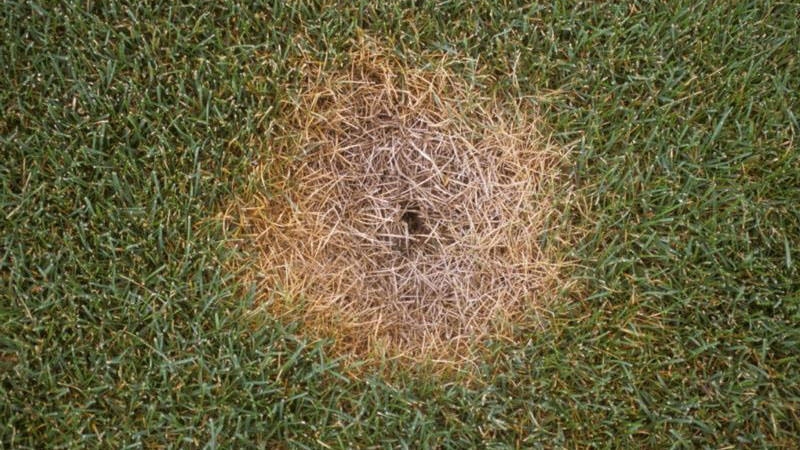
A heat-related fungal disease that causes thinning and irregular brown patches during the hottest parts of summer.
Red Thread
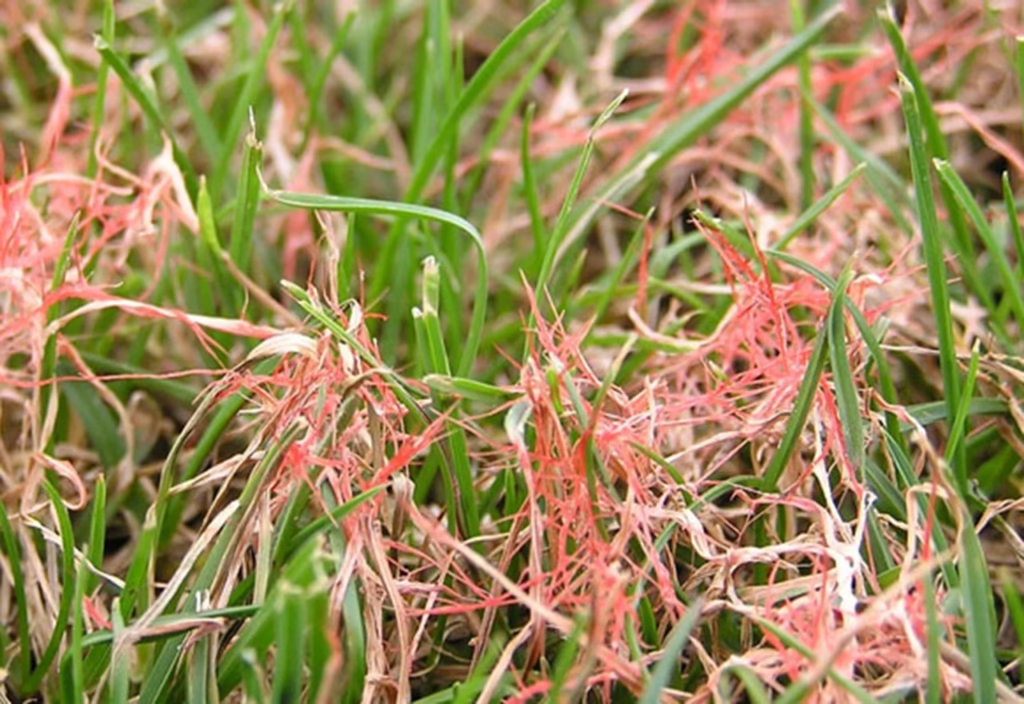
Typically appears during cooler damp periods and gives grass a pink or reddish appearance.
Although each disease behaves slightly differently, the environmental conditions that trigger them are very similar: moisture, humidity, stress, and poor airflow.
What Causes Lawn Fungus?
Moisture and Humidity
Fungus thrives in moisture that remains on the lawn for long periods of time. Heavy rainfall, overwatering, poor drainage, and extended humidity all create ideal fungal conditions.
When grass stays wet overnight or for multiple days in a row, fungal spores begin spreading rapidly.
Drought Stress
Many homeowners are surprised to learn that drought often sets the stage for fungus problems.
Drought-stressed lawns have weaker root systems and lower natural defenses, making them much more vulnerable when moisture finally returns.
These sudden swings between drought and heavy rainfall can create extremely stressful conditions for cool-season fescue lawns.
Poor Mowing Habits
Mowing too short weakens grass and exposes the lawn to additional stress. Dull mower blades tear the grass instead of cutting it cleanly, creating openings where disease can spread more easily.
Mowing wet grass can also spread fungal spores throughout the lawn.
Watering at the Wrong Time
One of the biggest homeowner mistakes we see is evening watering.
Watering late in the day leaves the lawn wet overnight, which dramatically increases fungal pressure.
Always water in the early morning whenever possible.
Compacted Soil
Compacted soil prevents water and oxygen from moving properly through the soil profile. This leads to standing moisture and poor root development.
Aeration helps improve drainage and creates healthier growing conditions.
Excess Thatch
A heavy thatch layer traps moisture and reduces airflow near the soil surface.
Too much thatch creates an ideal environment for fungal diseases to spread.
How to Identify Lawn Fungus Early
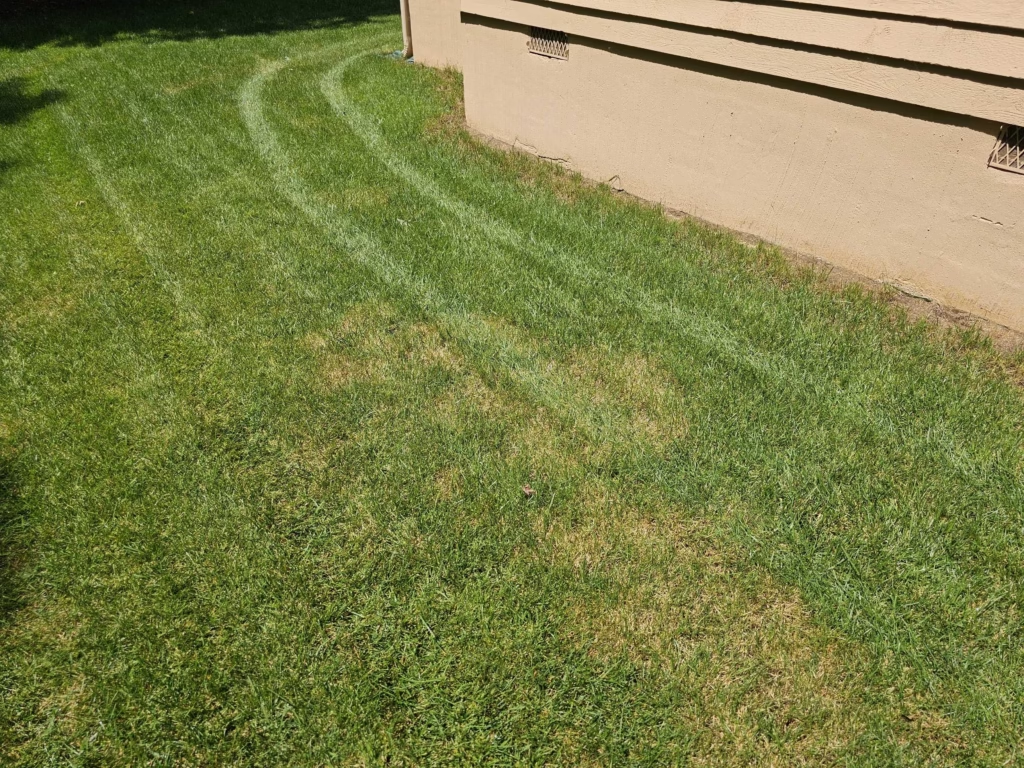
Catching fungus early is one of the best ways to prevent widespread lawn damage.
Common signs include:
- Circular brown or yellow patches
- Thinning turf
- Discolored grass blades
- Greasy or slimy looking areas
- Orange or rust-colored powder on shoes
- Areas that continue declining despite watering
- Grass blades with spots or lesions
If you are seeing these symptoms, your lawn may already be dealing with fungal pressure.
How to Prevent Lawn Fungus
Water the Right Way
Water deeply and infrequently while watering only in the early morning.
This allows the lawn to dry properly during the day while encouraging deeper root growth.
Mow Tall and Keep Blades Sharp
Taller grass develops deeper roots and handles stress much better during the summer.
Sharp mower blades create cleaner cuts that heal faster and reduce disease entry points.
Avoid Mowing Wet Grass
Wet grass spreads fungal spores very easily.
Whenever possible, wait until the lawn dries before mowing.
Aerate Regularly
Aeration helps relieve compaction and improves the movement of oxygen, water, and nutrients through the soil.
Healthier roots create healthier turf.
Dethatch When Needed
Reducing heavy thatch buildup improves airflow and decreases excess moisture retention near the soil surface.
Fertilize Properly
Balanced nutrition helps strengthen the lawn without pushing excessive soft growth.
Improve Airflow
Trimming back dense trees and shrubs can improve airflow and help lawns dry faster.
Preventative Fungicide Treatments
Preventative fungicide treatments are one of the most effective tools available during high-risk periods.
Preventative applications stop fungal spores before they become widespread lawn damage.
What Homeowners Should Do Right Now
With current drought conditions and recent rainfall patterns, now is one of the highest-risk periods we have seen for lawn fungus in quite some time.
Here are a few things homeowners should be doing immediately:
- Water only in the early morning
- Avoid mowing wet grass
- Raise mowing height slightly during stressful weather
- Watch for circular brown patches or thinning turf
- Avoid excessive watering after rainfall
- Consider preventative fungicide applications before problems begin
Taking these steps now can dramatically reduce the risk of serious lawn disease later this summer.
How to Treat Lawn Fungus
If fungus is already active in your lawn, acting quickly is important.
 Call PPLM — We Can Treat This For You!
If you are in our treatment area or are currently one of our customers, give us a call and we will take care of it for you. Let our team handle the diagnosis and treatment so you can have peace of mind knowing your lawn is in good hands.
Apply a Curative Fungicide
Using a fungicide designed for lawn disease control can help stop the spread of active fungus.
Always follow label instructions carefully.
Reduce Excess Moisture
Avoid unnecessary watering and improve drainage whenever possible.
Avoid Spreading Spores
If mowing is necessary, mow affected areas last and clean mower equipment afterward.
Avoid Heavy Fertilization
Applying large amounts of nitrogen to an active fungal outbreak can often make the problem worse.
Be Patient
Fungus recovery takes time.
Even after the disease is controlled, damaged areas may need overseeding to fully recover.
DIY Treatment vs Professional Treatment
DIY Fungicide Applications
Homeowners can successfully apply many fungicide products themselves when caught early.
Our Recommended Homeowner Fungicide

This is one of our recommended homeowner fungicide options for broad-spectrum lawn disease prevention and treatment during high-risk weather conditions.
To apply it, you will need a push spreader. This is the one we recommend:
A push spreader ensures even, accurate coverage across your lawn and can be used for any other granular lawn products as well — fertilizer, overseeding, and more — making it a worthwhile investment for any homeowner.
If you are a current client, you are more than welcome to call us and ask for the size of your lawn so you know exactly how much product to purchase!
For best results:
- Apply evenly across the lawn
- Follow application timing closely
- Reapply as directed on the label
- Water and mow properly during treatment
Professional Fungicide Programs
Professional preventative fungicide programs offer:
- Commercial-grade products
- Proper disease diagnosis
- Consistent treatment timing
- Even calibrated applications
- Long-term seasonal protection
If your lawn is already showing signs of stress or fungal activity, preventative treatments become even more important.
Why Virginia Lawns Are Especially Vulnerable Right Now
Virginia lawns have experienced months of stressful drought conditions followed by sudden heavy rainfall and humidity.
Our region has been in drought since September, and conditions have only gotten worse each month. This past April ranked as the 4th driest April on record for our region, and across April and May combined, rainfall fell approximately 3.5 to 10 inches below normal.
Through all of May 2026, our area received only about 3.58 inches of rain total — with the majority of that arriving during a single rainfall event on May 26th.
That kind of sudden, all-at-once rainfall onto drought-stressed soil is exactly what triggers fungal outbreaks.
Want to check current drought conditions in your area? Visit the U.S. Drought Monitor for Virginia here: https://droughtmonitor.unl.edu/CurrentMap/StateDroughtMonitor.aspx?VA
This combination creates ideal conditions for lawn fungus because:
- Drought weakens the lawn
- Heavy rain saturates already stressed soil
- Warm humid weather slows drying
- Fungal spores activate and spread rapidly
Cool-season fescue lawns are especially vulnerable during these weather swings.
This is exactly why preventative care, proper watering practices, and strong root development are so important during late spring and summer.
Frequently Asked Questions
Will lawn fungus go away on its own?
Sometimes mild fungal activity slows down when weather conditions improve, but most active fungal diseases continue spreading without treatment.
How do I know if it is fungus or drought stress?
Drought stress usually appears more evenly across the lawn. Fungus often creates circular patches, rings, or spotted grass blades.
Is lawn fungus dangerous to pets?
Most common turf diseases are not harmful to pets, but fungicide products should always be used according to label instructions.
Can I seed a lawn with fungus?
It is best to control active fungus before seeding. Young seedlings are highly vulnerable to disease.
What about mushrooms in my lawn — is that lawn fungus?
No! Mushrooms are completely different from the lawn fungus discussed in this article. Mushrooms are a sign of healthy organic activity happening beneath your soil. If you are seeing mushrooms, that is actually a good thing. If you are seeing brown patches, thinning turf, or rust-colored powder — that is lawn fungus and it needs to be treated.
Final Thoughts
Lawn fungus can spread quickly during periods of heat, humidity, and lawn stress — especially after prolonged drought conditions like we are currently experiencing in Virginia.
The good news is that proper watering, mowing, aeration, fertilization, and preventative fungicide treatments can dramatically reduce the risk of serious lawn damage.
At Picture Perfect Lawn Maintenance, our goal is always to build healthier soil, stronger roots, and more resilient lawns from the ground up.
If you are concerned about fungus activity in your lawn or would like information about preventative treatment options, feel free to reach out to our team.
We are always happy to help.